Written by: Dr. Peerzada Muneer
Religious festivals are among the gentlest ways in which people remember that life is more than survival, deadlines, and competition. In almost every culture, communities set aside ordinary time to dress a little better, eat a little sweeter, pray a little deeper, and lean closer to one another, as if to say that human beings were not created merely to rush and worry, but also to give thanks, to share, and to love. When an entire community moves together in this rhythm of remembrance and joy, people rediscover their own hearts and feel the nearness of the Divine as something almost tangible in the air. Resentments soften, family ties are renewed, and neighbours who rarely speak suddenly find themselves smiling and embracing as if they have known each other forever. In those moments, people sense that they are most themselves when they stand together in gratitude before something higher than any one of them.
In the Islamic tradition, this human need for joy, rest, and celebration is fully acknowledged, but joy is gently tied to remembrance of God and to ethical responsibility towards others. Early Muslim communities never treated happy occasions as a break from religion; instead, they saw them as worship spilling over from the mosque into streets, courtyards, and homes. The word Eid in Arabic carries a sense of return and recurring happiness, a day that keeps coming back with fresh gratitude and worship rather than a one‑time outburst that fades without trace. Islamic teachings repeatedly warn against festivals that are driven mainly by pride, wasteful display, or empty nostalgia, and instead place emphasis on recurring acts of worship that slowly form and polish the soul. When the Prophet Muhammad migrated to Madina and saw people marking older festive days, he taught that God had given the community two blessed occasions in their place, Eid al Fitr (ʿĪd al-Fiṭr) and Eid al Adha (ʿĪd al-Aḍḥā), both linked to central acts of devotion, fasting and pilgrimage, so that celebration would always grow out of spiritual effort rather than distract from it.
Taken together, the two major Eids sketch a kind of map of religious life. Eid al Fitr, the festival that comes at the end of Ramadan, honours the inner struggle, self-discipline, and quiet generosity that unfold in the unseen spaces of a person’s life. Eid al Adha, which arrives with the days of Hajj, recalls the story of Prophet Ibrahim (AS) and his readiness to surrender what he loved most for the sake of truth and obedience, and thus points towards sacrifice, service, and trust. One festival shines a light on personal transformation and gratitude, the other on communal responsibility and willingness to give up comfort for a higher cause. Between them, they remind Muslims that genuine faith is never only inward feeling or only outward action, but a weaving together of purified intention and concrete responsibility.
Historically, both Eids took shape in the earliest Muslim community in Madina. Accounts attributed to companions of the Prophet describe how he announced that God had granted two special days in place of earlier customs, giving the growing community a new way to express joy that was rooted in their emerging faith. Eid al Fitr is often linked in these narrations to the early years after migration, when the small, once persecuted group in Madina had just survived serious trials and tasted both hardship and unexpected support. From those early gatherings, the practice of marking Eid spread across the expanding Muslim world, adapting to many cultures while holding on to its core features. Both days share common elements, such as congregational prayers shortly after sunrise, sermons that remind people of God and of their duties, acts of charity that make it possible for even the poorest to share in the joy, and social visits that renew bonds of kinship and neighbourliness. What often distinguishes these festivals from many modern secular celebrations is a deliberate preference for simplicity, modesty, and concern for those on the margins instead of waste, loud display, and behaviour that would deepen the humiliation of the poor.
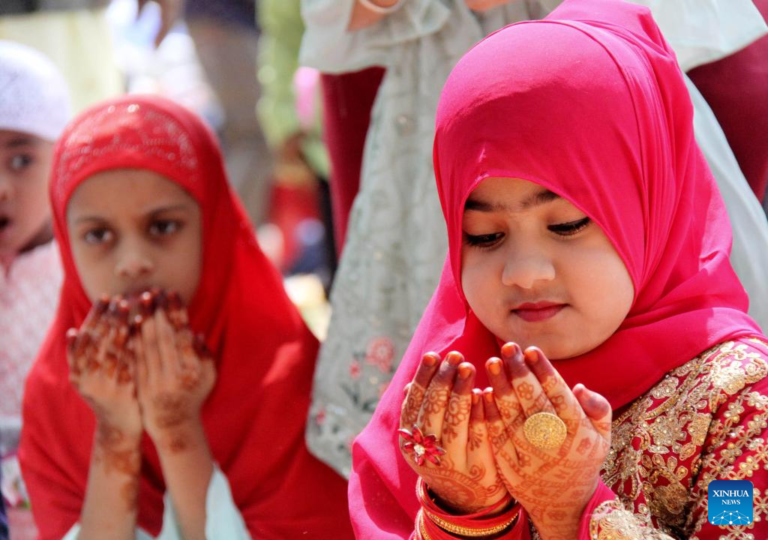
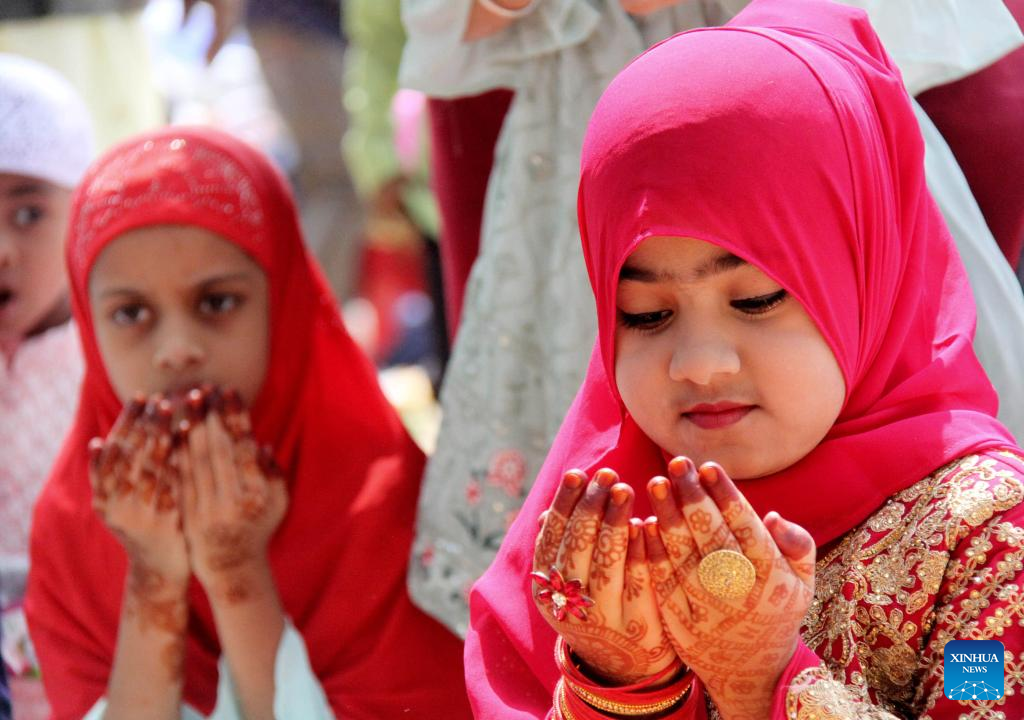
Eid al Fitr, sometimes called the Lesser Eid because its outward rituals are shorter than those of Eid al Adha, carries immense spiritual weight for believers. It marks the first day of the month of Shawwal, after a month in which Muslims have been fasting from dawn to sunset, struggling not only with hunger and thirst but with anger, arrogance, and selfish habits. Many also see Ramadan as the period in which the first verses of the Qur’an were revealed, so the month and its closing festival are felt as a recurring anniversary of guidance entering human history and reshaping human hearts. The outward scenes of Eid al Fitr are strikingly recognisable across the globe. In cities and villages, people rise early to bathe, dress in clean or new clothes, and join long lines of worshippers streaming towards mosques and open grounds for the special prayer. Children rush about with envelopes or crisp notes of Eidi in their hands, kitchens fill with the aroma of sweet dishes and savoury delicacies, and greetings of Eid Mubarak pass from one home and street to another. Behind all this colour and activity lies a quieter awareness that what truly matters is whether the month of effort has been accepted by the One to whom that effort was directed.
At its heart, Eid al Fitr is not simply a celebration of the end of hunger or a return to normal routine. It is a day of thanksgiving for having been allowed to respond, however imperfectly, to a divine invitation. Many scholars describe it as a moment when a believer looks back over the month and recognises that the ability to fast, to pray, and to restrain the ego was itself a gift. The joy that fills the day is therefore not the joy of having escaped discipline, but of having glimpsed a higher way of living and feeling a desire to carry that standard forward into ordinary time. Ramadan has a way of exposing a person to themselves. When food, drink, and certain comforts are removed for part of each day, traits that normally hide in the background come forward: some discover patience they did not know they had, others face irritability or indifference they can no longer deny. Eid then becomes something like a graduation ceremony after an intense course in self-knowledge and self-control, a time to ask what has actually changed and what still needs work.
The day also has a clear and practical social philosophy. Before the Eid prayer, Muslims are required to give a specific charity called Zakat al Fitr, usually in the form of staple food or its value in money, on behalf of each member of the household. The purpose is simple and profound at the same time. No family should wake up on Eid unable to mark the day with at least some food and joy. Those who were able to choose their hunger during Ramadan are reminded that many live with hunger that is never voluntary. A community’s worship on this day is considered incomplete until its most vulnerable members have been honoured and included. This insistence that joy must be shared, and that religious duty is bound up with the dignity of the poor, turns Eid into a living lesson in social justice rather than a private religious milestone.
Beneath its outward rituals, Eid al Fitr carries symbolism that speaks to how Islam understands the rhythm of spiritual life. The new crescent of Shawwal suggests renewal and the gentle turning of the human soul from strain to ease, from effort to celebration. Just as the moon grows, fades, and returns, states of faith and feeling also rise and fall. Eid reminds people that seasons of struggle are not permanent, that mercy and relief arrive in their own time. The sight of rows upon rows of people standing shoulder to shoulder in prayer, without visible distinction of wealth, race, or status, imprints on the mind a powerful image of equality before God. The simple act of breaking the fast on the morning of Eid, after weeks of carefully observing its limits, speaks to the balance between body and soul that Islamic teaching seeks to cultivate. Human needs are not denied or crushed; they are recognised, disciplined, and then enjoyed with gratitude instead of heedlessness.
Many devotional writers speak of Eid as a day of meeting. On the outward level, it is a day of visiting relatives and friends, reconciling long running quarrels, and embracing neighbours or even strangers who share the same prayer rows. On a more inward level, believers sometimes describe the festival as a meeting between the servant who has struggled through Ramadan and the Lord who responds with acceptance and nearness. In that inner sense, the deep joy of Eid is not only about family gatherings or festive tables, but about tasting for a moment the sweetness of being seen and forgiven by the One who knows every weakness. Another recurring idea in spiritual writings is that Eid al Fitr marks a kind of freeing from bondage. Someone who has spent a month learning to say no to their own impulses discovers that they are not as helpless before appetite, fashion, or social pressure as they once thought. This interior freedom from greed, envy, and compulsive desire becomes the soil in which real compassion and justice can grow in daily life.
In an age marked by conflict, loneliness, and a relentless consumer culture, Eid al Fitr offers a different script for what it means to flourish. Instead of tying happiness to the ability to buy more, it ties happiness to becoming more patient, more generous, and more aware of both God and other people. Fasting trains empathy by making hunger something more than an abstract idea; it lodges itself in the body as an experience that connects the faster to those who have no choice. When people break their fast on Eid morning knowing that their neighbours, including those who are usually struggling, have also been provided for through charity, a quiet trust grows between them. Communities that rehearse such shared vulnerability and mutual care every year find it easier to resist sectarian hatred, welcome those in need, and recognise the humanity of those who differ from them.
Eid al Fitr also models a gentle public face of religion. The central actions of the day are prayer, giving, visiting, and forgiving. In many places, especially in diverse societies, these gatherings bring together Muslims and non-Muslims who exchange greetings and stand alongside one another in public spaces. When religion is lived in this open and hospitable manner, it counters the idea that faith must always divide. Instead, it shows that worship of God can deepen a person’s commitment to the common good, inspiring them to build bridges rather than walls. At the same time, the festival pushes back against despair and arrogance. For someone weighed down by guilt or by bleak news from the wider world, the passing of Ramadan and the arrival of Eid carry a quiet message that change is possible and has already begun in small ways. For someone tempted to feel superior because they managed more acts of devotion than others, the constant reminder that all success flows from divine grace gently pulls them back towards humility.
The values of simplicity and moderation that Islamic teachings associate with Eid have implications far beyond a single day. When believers are reminded that real celebration does not lie in wasteful spending or feverish competition to outdo others, they are also being prepared to live more lightly on the earth. Contentment and mindful gratitude do not only ease personal anxiety; they also speak to ecological and economic challenges by encouraging restraint rather than endless consumption. A humanity that remembers how to rejoice in simple ways is less likely to exhaust its own home. In this sense, Eid offers a kind of counter culture, inviting people to imagine a life in which joy does not depend on constant accumulation.
Perhaps the most profound gift of Eid al Fitr is that it helps people remain human in systems that often reduce them to units of production and consumption. During Ramadan, believers become unusually aware of their own fragility. A missed pre-dawn meal makes a workday harder, a kind word from a stranger can lift a tired heart, and a quiet prayer in the small hours of the night may suddenly move someone to tears. Eid arrives as a gentle affirmation that this tenderness is not a weakness to be covered up, but a doorway through which mercy enters a life. By calling people to bow together, share food, and forgive one another, the festival recentres life around servitude to the Creator rather than to success or fashion. It teaches that real dignity comes less from what one owns than from how faithfully one responds to God and how kindly one treats those whom God has placed within reach.
The meaning of Eid al Fitr is experienced differently at each stage of life, yet its core message remains the same. For a child, waking to new clothes and the smell of favourite dishes, it may feel like the happiest morning of the year, filled with visits, sweets, and the occasional scolding for playing too long outside. For parents or elders, it may be a quieter moment of relief and gratitude that they have lived to see another Ramadan and can still gather their family in a single room. For someone who has recently lost a loved one, the day may carry a sharper ache, yet faith in eventual reunion turns even that pain into a sort of hope. In every case, the festival keeps repeating the same invitation: live gratefully, share generously, walk humbly, and remember that your life, with all its joys and wounds, is unfolding under the gaze of a Merciful Creator. If individuals and societies allowed the spirit of Eid al Fitr to breathe through more than just a few days on the calendar, and if its lessons of restraint, generosity, empathy, and worship were woven honestly into homes, institutions, and public life, then peace and justice would feel less like distant dreams and more like natural outcomes of a humanity that knows it is both servant to one God and kin to one another.
About the Author